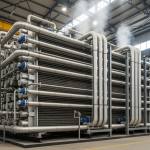
Plate heat exchangers are widely used in many industrial sectors, from HVAC systems to food processing and chemical manufacturing. Their efficiency and modularity make them a popular choice for transferring heat between two fluids without mixing them. An essential component of these exchangers is the gasket, which ensures a tight seal between the plates and prevents leaks. Over time, gaskets are subject to wear and degradation, raising the question: can gaskets be replaced on plate heat exchangers?
What function do gaskets serve in plate heat exchangers?
Gaskets play a crucial role in the operation of plate heat exchangers. These elastomeric seals are fitted around each plate to create a barrier between the media flowing through separate channels. The key roles of gaskets are:
- Ensuring leak-tightness: Preventing the fluids from mixing or leaking outside the unit.
- Directing flow: Controlling the path of fluids so they follow the correct channels for efficient heat transfer.
- Absorbing expansion: Accommodating thermal expansion and contraction of plates during operation.
Without well-maintained gaskets, a plate heat exchanger cannot function effectively, which can compromise process safety and efficiency.
Why do gaskets wear out over time?
Gasket lifespan is influenced by several factors inherent to the operating environment of heat exchangers. Common causes of gasket deterioration include:
- High temperatures: Constant exposure to heat can harden or shrink gasket materials, reducing flexibility and sealing ability.
- Chemical exposure: Aggressive media, cleaning chemicals, or incompatible fluids may cause swelling, softening, or breakdown of gasket compounds.
- Mechanical stress: Frequent opening and closing of the exchanger or vibration can lead to gasket displacement or wear.
- Aging: Even under optimal conditions, most gasket materials will eventually degrade with time due to oxidation and material fatigue.
As a result, routine inspection and maintenance are essential to ensure the integrity of plate exchanger gaskets.
Can gaskets be replaced without replacing the entire heat exchanger?
One of the main advantages of plate heat exchangers is their modular design, which allows for the replacement of individual components, including gaskets, without necessitating a full system replacement. When gaskets show visible signs of wear, such as cracking, flattening, or persistent leaks, they should be replaced to restore optimal performance. The process involves disassembling the unit, removing the plates, and carefully peeling off the old gaskets. After cleaning the plates and ensuring they are free of debris, new gaskets are installed either by gluing or mechanical fixing, depending on the design.
What are the steps involved in replacing gaskets on a plate heat exchanger?
Replacing gaskets on a plate heat exchanger is a multi-step procedure requiring attention to detail to avoid damage and ensure proper sealing upon reassembly. The process generally follows these steps:
- Shut down and isolate the unit: Ensure the system is depressurized and drained, with all safety protocols observed.
- Disassemble the frame: Loosen tie bolts and carefully open the exchanger frame to access the plates.
- Remove plates: Take out the plates one by one, noting their orientation and order.
- Remove old gaskets: Peel or unclip the gaskets, using recommended solvents if adhesives are involved.
- Clean the plates: Remove any residue, scaling, or debris from the plate surfaces and gasket grooves.
- Install new gaskets: Fit new seals as specified by the manufacturer, ensuring correct placement and adhesion.
- Reassemble the unit: Reinsert the plates in the correct order, close the frame, and tighten the bolts evenly to specified torque.
- Pressure test: Carry out a leak test before returning the exchanger to service.
Proper gasket replacement minimizes downtime and helps maintain the efficiency of heat transfer.
How to choose the right replacement gasket material?
Selecting an appropriate gasket material is critical for the longevity and reliability of plate heat exchangers. The choice depends on several factors:
- Chemical compatibility: The gasket material must resist attack from process fluids and cleaning agents.
- Temperature range: It should withstand the minimum and maximum operating temperatures.
- Pressure resistance: The gasket must maintain its seal under the pressure conditions of the application.
- Mechanical properties: Flexibility, resilience, and recovery are important for maintaining seal integrity through thermal cycling.
Common materials include NBR (nitrile rubber) for oils and mild chemicals, EPDM for water and steam, and FKM (Viton) for aggressive chemicals and high temperatures. Consulting the exchanger’s manufacturer or a specialist ensures the most appropriate choice for specific operational needs and can see more about material specifications.
What are the benefits of timely gasket replacement?
Scheduling and performing regular gasket replacements on plate heat exchangers brings several key benefits:
- Prevents leaks: Fresh gaskets restore sealing capability, minimizing the risk of cross-contamination and product loss.
- Improves heat transfer efficiency: Proper sealing ensures optimal fluid flow and maximizes heat exchange performance.
- Reduces maintenance costs: Preventive gasket replacement is less costly than emergency repairs or unplanned shutdowns resulting from seal failure.
- Extends equipment life: Well-maintained gaskets reduce wear on plates and other components, prolonging the overall lifespan of the exchanger.
- Ensures safety and compliance: Preventing leaks and maintaining integrity is critical for worker safety and environmental protection, especially in regulated sectors.
By planning for gasket replacement at recommended intervals, operators can ensure their plate heat exchangers continue to deliver reliable, efficient service.
Are there best practices for prolonging gasket life?
To maximize the interval between replacements and optimize the performance of gasketed plate heat exchangers, several best practices should be observed:
- Follow recommended cleaning protocols: Use compatible cleaning agents and avoid harsh conditions that accelerate gasket wear.
- Monitor operating conditions: Stay within specified temperature and pressure limits to prevent premature gasket degradation.
- Carry out regular inspections: Visual checks and leak tests help identify issues early, before they result in process disruptions.
- Use original or approved spare parts: Rely on manufacturer-specified gaskets to ensure fit, compatibility, and warranty protection.
- Train maintenance personnel: Ensure staff are familiar with correct assembly procedures to avoid gasket misalignment or damage.
Implementing these measures helps secure the long-term reliability and safety of plate heat exchanger operations.